Hong Kong International Film Festival
Introduction
The Hong Kong International Film Festival (HKIFF) is one of Asia's oldest and most prestigious film festivals, having been established in 1977. It has grown into a significant platform for showcasing cinematic works from around the world, serving as a crucial conduit for cultural exchange and understanding through the medium of film. The festival is renowned for its diverse programming, which includes a wide array of films ranging from mainstream blockbusters to independent and experimental films. It also hosts various seminars, master classes, and discussions, offering a comprehensive festival experience that not only entertains but also educates and inspires audiences and filmmakers alike.
History
Founding and Early Years
The Hong Kong International Film Festival was founded in 1977, marking the beginning of a significant cultural event in Asia. In its early years, the festival aimed to introduce international films to Hong Kong audiences, offering them an opportunity to explore world cinema beyond the local and regional productions. This initiative was part of a broader effort to foster cultural exchange and to position Hong Kong as a hub for international cinematic dialogue. The festival quickly gained recognition for its eclectic selection of films and its role in promoting Asian cinema to the world.
Evolution and Growth
Over the decades, the HKIFF has evolved significantly, expanding its scope and influence within the global film industry. As the festival grew, it began to include more categories and sections, reflecting the changing dynamics of global cinema. It became a platform for debuting new films and filmmakers, offering them an opportunity to gain international attention. The festival also started to integrate more interactive components, such as master classes and workshops, which have become integral to its program. These developments have helped the HKIFF maintain its relevance and prestige in the ever-evolving landscape of international film festivals.
Organization
Structure and Management
The HKIFF is organized by the Hong Kong International Film Festival Society, a non-profit organization dedicated to the promotion of film culture. The society is responsible for the overall management of the festival, including programming, logistics, and marketing. The executive director and the programming team play pivotal roles in curating the festival's lineup, ensuring a diverse and engaging selection of films. The organizational structure also includes various departments tasked with handling sponsorships, media relations, and audience engagement, all of which are crucial for the festival's successful execution.
Funding and Sponsorship
Funding for the HKIFF comes from a combination of government support, private sponsorships, and ticket sales. The festival has built strong relationships with corporate sponsors and cultural institutions over the years, which have provided crucial financial support. These partnerships enable the festival to maintain its high standards of programming and production. Sponsors often see the festival as an attractive platform for brand visibility and association with cultural prestige. Additionally, government funding underscores the festival's importance to Hong Kong's cultural landscape and its role in promoting the city as an international cultural hub.
Festival Sections
Competition Categories
The HKIFF features a variety of competition categories that recognize outstanding achievements in filmmaking. These categories may include awards for best feature film, best short film, and best documentary, among others. The competition sections are designed to celebrate excellence in cinematic storytelling and to provide filmmakers with recognition and opportunities for further distribution and promotion. A jury comprising esteemed industry professionals typically evaluates the entries, ensuring that the awards reflect high standards of quality and creativity.
Non-competition Screenings
In addition to its competitive sections, the HKIFF offers a wide array of non-competition screenings, which showcase films that may not fit into conventional categories but are nonetheless deserving of a platform. These screenings include retrospectives, tributes, and special selections that highlight the works of influential filmmakers, as well as themes or genres that are of particular interest. The non-competition sections are vital for providing audiences with a comprehensive view of global cinema and for encouraging dialogue and exploration beyond mainstream narratives.
Special Events and Programs
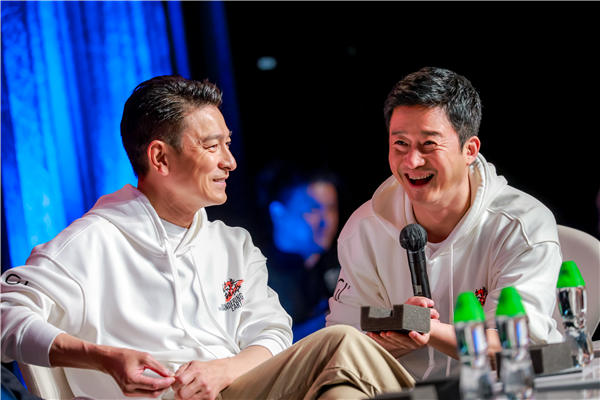
The HKIFF hosts numerous special events and programs that enhance the festival experience for both filmmakers and audiences. These include panel discussions, master classes, and workshops led by industry experts and renowned filmmakers. Such events offer invaluable insights into the craft and business of filmmaking, providing attendees with opportunities to learn and network. Additionally, the festival often features gala screenings and red-carpet events that add an element of glamour and celebration to the proceedings. These special programs play a crucial role in fostering a sense of community and excitement around the festival.
Impact and Influence
Cultural Significance
The cultural significance of the HKIFF extends beyond its annual screenings. It is a pivotal event that contributes to the cultural dialogue within Hong Kong and between Hong Kong and the rest of the world. By showcasing a diverse range of films, the festival promotes cross-cultural understanding and appreciation. It also supports the local film industry by providing a platform for Hong Kong filmmakers to present their work to international audiences. The festival's commitment to cultural exchange and its celebration of both local and international talent have cemented its place as a major cultural event in Asia.
Economic Impact
Economically, the HKIFF contributes significantly to Hong Kong's cultural and creative industries. The influx of international guests and media attention during the festival generates substantial revenue for local businesses, including hotels, restaurants, and transportation services. Furthermore, the festival's role in promoting Hong Kong as a global cultural hub attracts investment and fosters the development of related industries, such as film production and distribution. By enhancing the city's international profile and supporting the local economy, the HKIFF plays an integral role in Hong Kong's economic landscape.








